Today, Uganda joined the rest of the world in commemorating World Contraception Day 2026 at Magale Town Council Ground in Namisindwa District under the theme: ‘A choice for all: Agency, Intention and Access’.
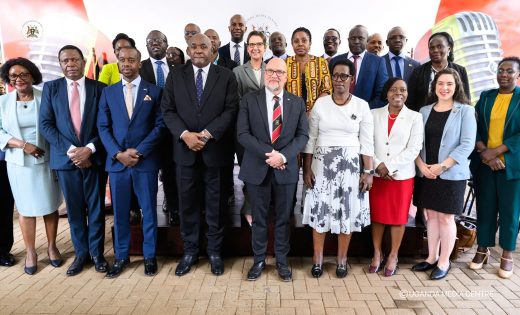
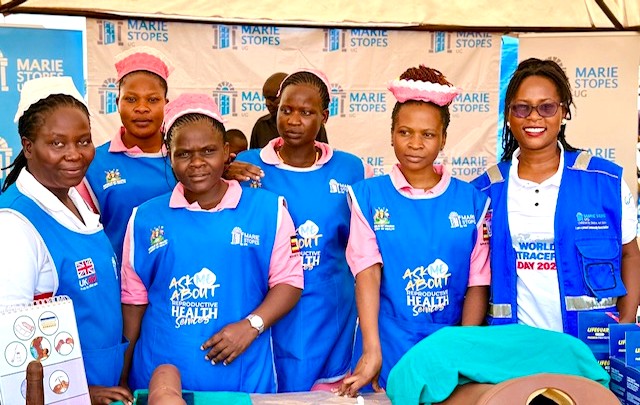
The event brought together health officials, local leaders, Members of Parliament, development and implementing partners, health workers, young people and hundreds of community members. Organised by the Ministry of Health in collaboration with partners including UNFPA, Reproductive Health Uganda, Marie Stopes Uganda, CEHURD, ACORD Uganda and PACE, among others, the national commemoration focused on creating greater awareness, improving access to family planning services and promoting informed reproductive health choices.
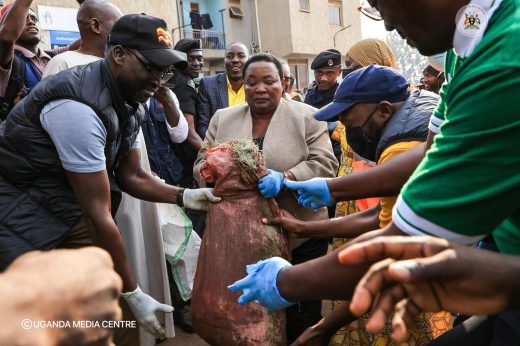
The day began with a community clean-up exercise in Magale Town Council trading centre, in line with Uganda’s National Cleaning Day, observed every last Saturday of the month. Community members, health workers, Village Health Teams, Community Health Extension Workers, young people and local leaders joined hands to clean the trading centre before embarking on an awareness march through the town. Led by a band, the procession attracted the attention of residents and traders, creating an opportunity for health workers and community leaders to share messages on family planning, reproductive health, immunisation and other health priorities. The large turnout reflected strong community interest in health matters and the value of taking health messages directly to the people.
At the main commemoration, Dr. Joseph Okware, Director of Governance and Regulations, who represented the Hon. Minister of Health, presented Uganda’s national status on family planning. He highlighted the progress made, national priorities, and the continued need to strengthen access to family planning information and services across the country. He also emphasised that individuals and couples need accurate information and quality services to make informed decisions about their reproductive health.
The issue of male involvement featured prominently. Sr. Acam Jane Frances, Assistant Commissioner for Nursing and Midwifery, challenged the perception that family planning is primarily a women’s responsibility. She stressed the need for men to actively participate in reproductive health decisions, noting that family planning affects families and communities as a whole. As she put it, “Family planning is not only for women; it is also for men.”
Representing the Director General of Health Services, Dr. Richard Mugahi, Commissioner for Reproductive and Child Health, highlighted the importance of supporting adolescent girls who become pregnant to remain within the education system. He called upon the District Health Officer and District Education Officer to implement the latest Government policy allowing pregnant learners to continue their education and return to school after giving birth. He emphasised that pregnancy and childbirth should not permanently end a learner’s education, and that communities and institutions have a responsibility to support girls to continue their studies.
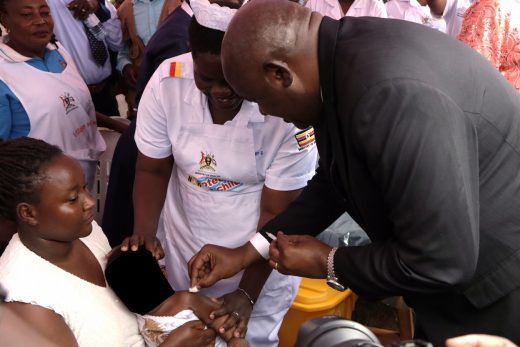
Dr. Mugahi also urged the people of Namisindwa to actively participate in the upcoming National Measles-Rubella Vaccination Campaign scheduled for 1st to 5th October 2026. He called on parents, caregivers and community leaders to ensure that eligible children are taken for vaccination. His appeal demonstrated how community gatherings such as World Contraception Day can serve as important platforms for communicating other critical public health messages.
While the main focus of the day was family planning, the commemoration also became an opportunity for local leaders to highlight challenges affecting health service delivery in Namisindwa. The LC5 Chairman, Resident District Commissioner and Chief Administrative Officer called upon the Ministry of Health to consider upgrading several health facilities in the district, particularly those currently operating as HC IIs and HC IIIs. They noted that upgrading facilities to HC III and HC IV level would increase their capacity to provide a wider range of services and respond to the growing health needs of the local population.
The area Members of Parliament, led by Hon. John Musila and the Woman Member of Parliament, together with other legislators who attended the event, pledged to support efforts to strengthen health sector financing. They particularly highlighted the need to support Community Health Extension Workers and Village Health Teams, who remain an important link between communities and the formal health system. Through their presence at the community level, these health workers provide health information, promote preventive services and connect communities to health facilities when further care is required.
Dr. Mugahi expressed support for the Community Health Extension Workers programme and commended the large number of VHTs who participated in the commemoration. He acknowledged concerns raised by the VHTs regarding their work and pledged to present those concerns to senior Ministry of Health management for consideration. The engagement underscored the importance of listening to community health workers, who are often among the first points of contact between families and the health system.
The World Contraception Day commemoration in Namisindwa therefore went beyond promoting contraception and family planning. It brought together different stakeholders to reflect on reproductive health, adolescent education, immunisation, community health, health infrastructure and the role of communities in strengthening Uganda’s health system. The combination of the National Cleaning Day activity, awareness march and main commemoration created an environment in which health messages could reach people in a practical and engaging way.
The large participation of community members, VHTs, CHEWs, pupils and students demonstrated the importance of bringing health services and information closer to communities. It also reinforced the role of local leaders, health workers, development partners and communities in addressing health challenges and supporting Government efforts to improve health outcomes.
The commemoration concluded with the signing of a commitment board and the Third National Family Planning Costed Implementation Plan (FP-CIP III) by Dr. Joseph Okware, Members of Parliament, development and implementing partners, and district leaders. The signing marked a renewed commitment by stakeholders to strengthen family planning interventions and improve access to reproductive health information and services.
As Uganda continues to advance its reproductive, maternal and child health agenda, the Namisindwa commemoration served as a reminder that family planning is not the responsibility of one group alone. It requires the participation of women and men, young people, families, health workers, leaders, communities and partners. By strengthening collaboration and ensuring that accurate information and quality services reach communities, Uganda can continue working towards a health system in which people are empowered to make informed decisions about their health and wellbeing.